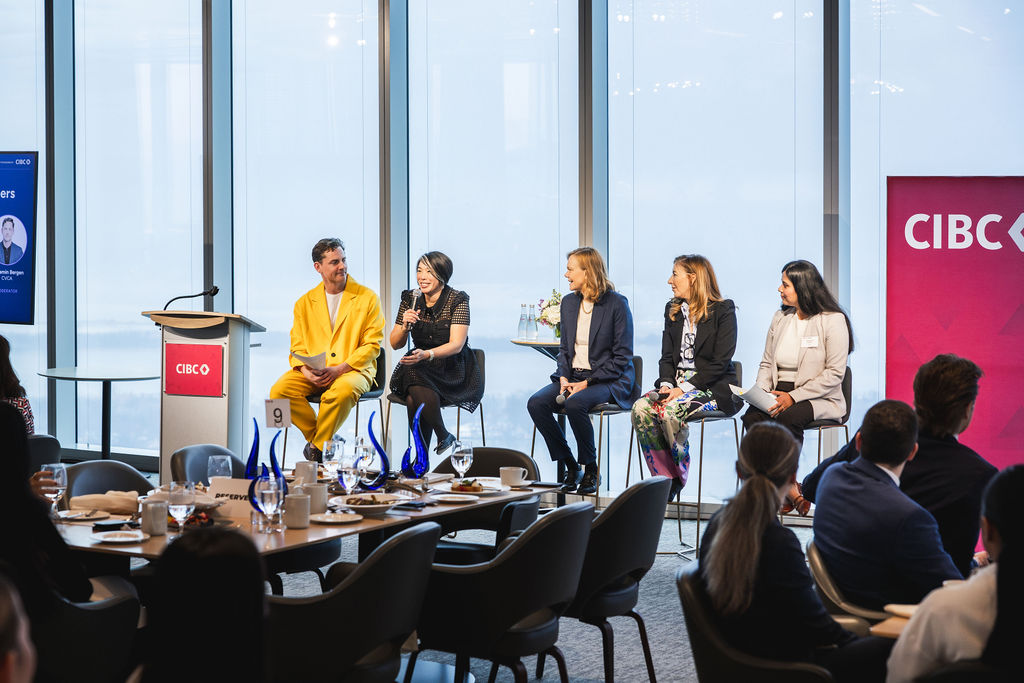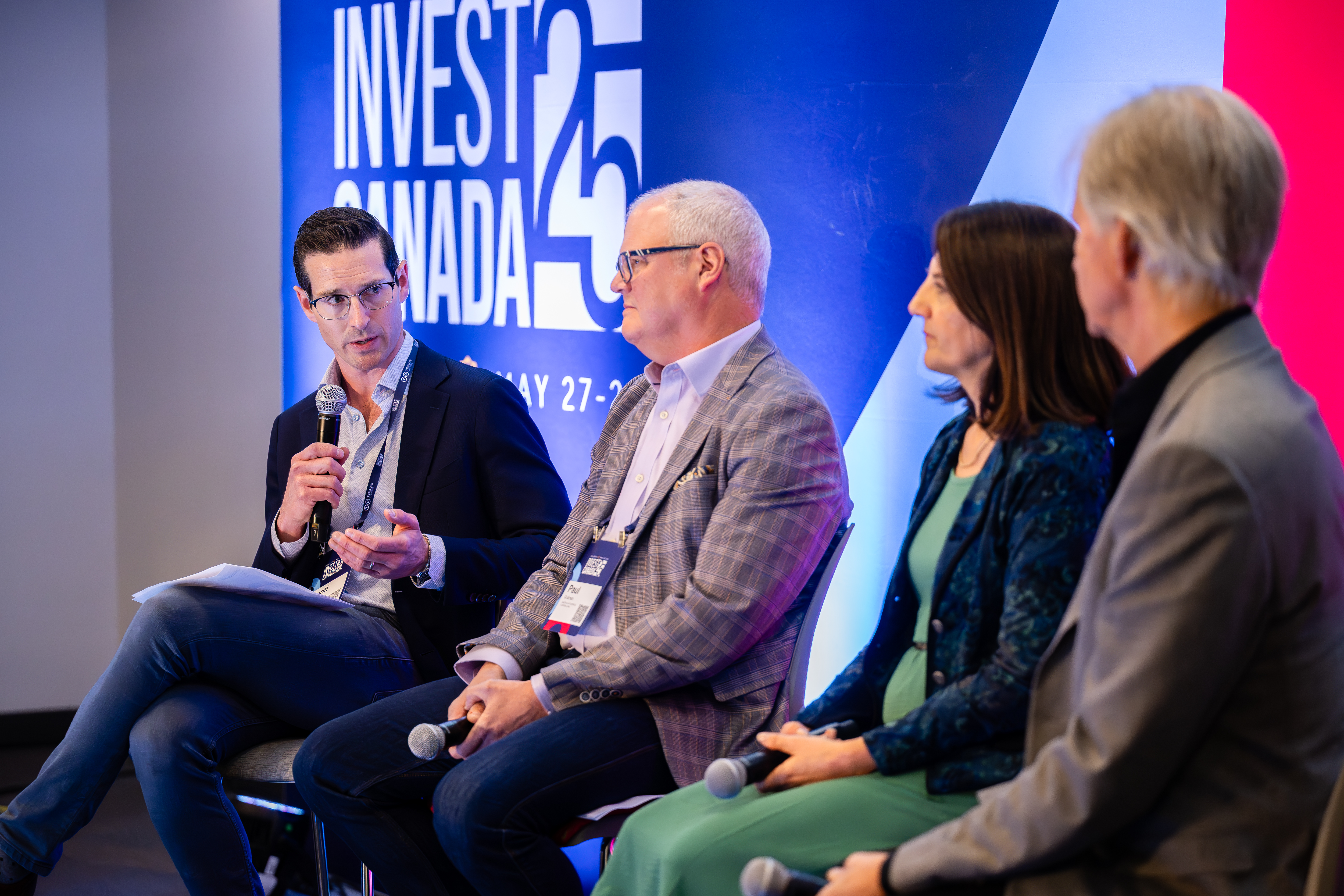
LPs are raising expectations across governance, alignment and reporting. At Invest Canada ’25, participants highlighted how clarity, discipline and long-term partnership strength are shaping today’s fundraising environment.
One of the LP-only sessions at Invest Canada ’25 offered a candid look at how institutional investors are shaping the current capital formation environment. From fund governance to economic alignment, limited partners are making it clear that the standard for sponsor engagement has shifted. Fundraising conditions may be tight, but the conversation focused on clarity, discipline, and long-term partnership strength.
Across the board, LPs emphasized that expectations have risen at every stage of engagement. Formal due diligence is no longer the starting point. It follows an extended period of informal screening, relationship-building, and operational evaluation. Even first-time managers are expected to present with institutional rigour, transparent reporting systems, and well-defined governance before meaningful discussions begin.
Several LPs reflected on how manager relationships have evolved. Where casual networking once played a central role, sponsors are now moving directly into structured assessments. Investors are focused on team continuity, alignment of interest, and franchise durability. Those unable to articulate a clear succession path or governance model face a narrowing path to capital.
Governance terms were a recurring focus. Participants voiced concern over the erosion of investor protections across fund vintages. Small adjustments, often accepted in isolation, are shifting the sponsor-LP balance over time. Side letters, once narrow in scope, have grown in length and complexity, in some cases surpassing the core LPA. This trend has prompted investors to revisit how they approach documentation and enforce standards across commitments.
Economic alignment is also under the microscope. LPs are increasingly focused on how carry structures and ownership stakes are distributed across investment teams. Confidence in a manager’s long-term stability hinges on visible, material incentives for next-generation leaders. Performance history is no longer enough on its own. Investors want to understand the architecture behind continuity and team motivation.
Concerns were also raised around unchecked fund size growth. LPs expressed caution when managers return to market with steep increases in target capital without clear justification. Larger funds may reflect opportunity, but they also carry risks. Without capacity planning and discipline, growth can dilute returns and stretch teams. Investors indicated that significant size increases, especially among newer managers, often trigger added scrutiny or delayed re-commitment.
Governance practices across geographies also came into view. Several participants noted that Canadian funds tend to provide stronger LPAC structures and transparency than their U.S. counterparts. However, LPAC strength depends on member engagement. Inactive or underinformed LPAC members weaken oversight and reduce investor confidence in the governance process.
LP collaboration was described as both a valuable tool and a nuanced process. Coordinating on legal reviews and negotiation priorities can streamline diligence, but final decisions remain highly individualized. Investors underscored the need for independent assessments, even when peer alignment exists behind the scenes.
Secondary sales and continuation vehicles emerged as key tools in a constrained liquidity environment. LPs see value in these structures when used with transparency, valuation discipline, and clear communication. Continuation vehicles, in particular, must be structured with early engagement and conflict management built in from the outset. When executed well, these tools can preserve value and support investor goals.
The fundraising backdrop remains challenging. Fewer funds are closing and timelines are stretching. In this climate, LPs are exercising greater influence over terms, pacing, and manager selection. That influence is being used to reinforce strong governance, secure greater visibility into operations, and reward firms that demonstrate long-term strategic planning.
Succession planning is one such area where expectations have increased. LPs want to see clearly articulated leadership transitions and a deep bench of talent, not just a reliance on founding partners. A failure to plan for continuity introduces risk at both the operational and performance level.
The message from the session was firm. Managers seeking to raise capital in this environment must be able to show operational strength, transparent governance, and a clear alignment with investor priorities. Fundraising success depends not just on track record but on the ability to build trust, demonstrate discipline, and adapt to shifting investor needs. In a market where governance, negotiation dynamics, and capital deployment strategies are all evolving, those who invest in strong foundations will be best positioned for what comes next.
Since 1979, Invest Canada has been where Canada’s private capital community comes together to build relationships, close deals, and share real-world experience. It’s the definitive forum for GPs and LPs to connect, collaborate, and uncover new opportunities. Learn more at conference.cvca.ca.